
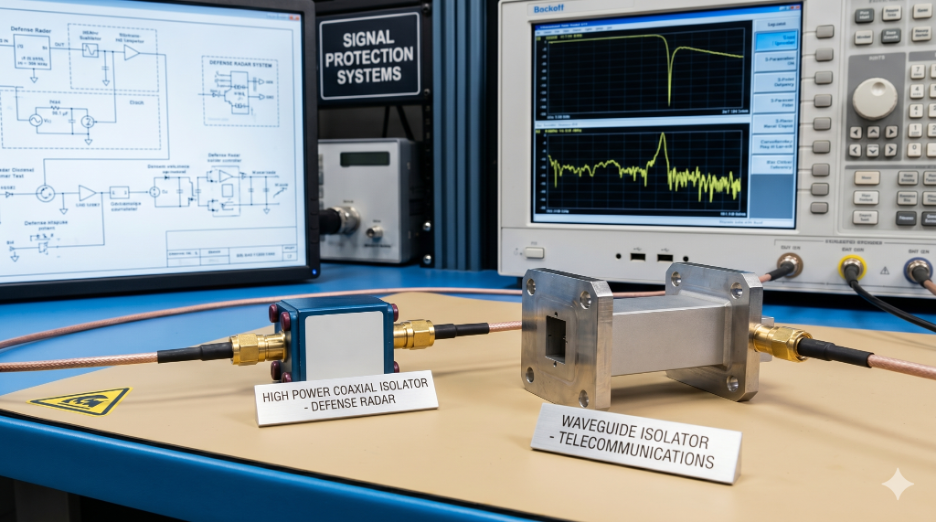
RF Isolators: How They Work, What They Protect, and Where They Belong in Your System
Every high-power transmit chain has a vulnerability. The power amplifier at the output stage is built to drive a matched 50-ohm load. When the antenna does not cooperate, whether from VSWR variation, impedance shifts at wide scan angles, or a damaged element in a...
The Hidden Layer in Phased Array Antenna Design: Why Passive RF Components Define Array Performance
A phased array antenna is only as good as the components feeding it. The beam-steering algorithms, the digital beamformer ICs, the element spacing calculations all matter. But between the beamformer output and the antenna element sits a layer of passive RF hardware...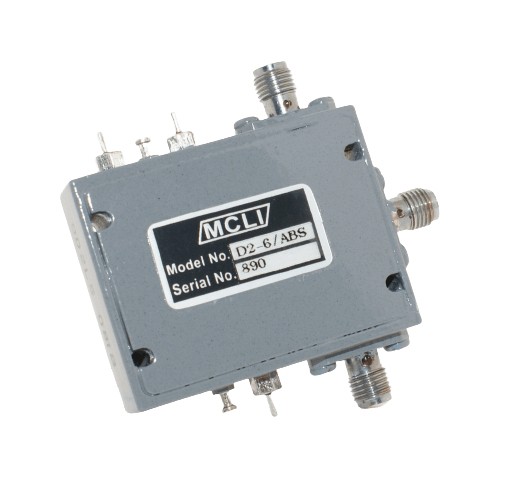
Satellite Communication Systems: Key RF Challenges From Ground to Orbit
Getting signals to and from space is hard. Satellite communication systems deal with some of the toughest RF problems you’ll find anywhere. Building ground terminals for LEO constellations or designing Ka-band transponders? The physics working against you stay...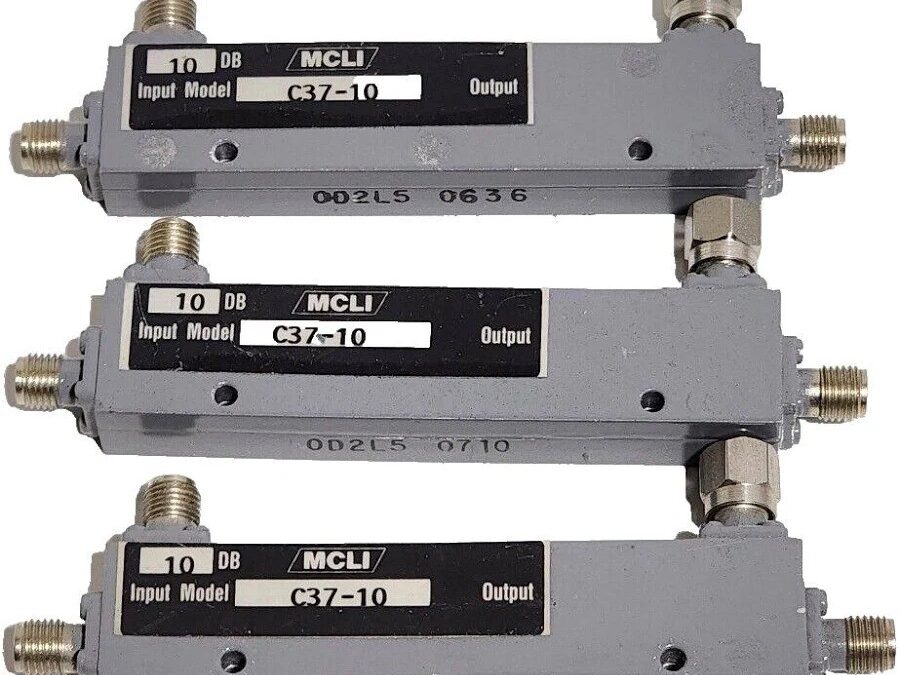
High Power Directional Couplers for Defense and Commercial Transmitters
High power directional couplers let you monitor, measure, and control RF signals in transmitter systems without losing much power. These four-port passive devices sample a small fraction of your signal while letting most of it pass through to your load. In defense and...